
You may think that you worked out how to wash your hair many years ago, but an effective cleansing process will vary for different people due to different hair types. The best wash routines will work with your hair and implementing a few tips and tricks can lead to noticeably better condition outcomes for your hair, and clean healthy locks.
Wash Frequency
The ideal frequency depends on your hair type and lifestyle. Cleansing and conditioning can be anything from a daily to a weekly event. If you’re exercising or sweating a lot, or if you have fine, oily hair you will need to wash daily or every other day. Curlier hair tends to fare better with once-weekly washes — as does hair that’s exposed to a dry, cold climate, so you may want to adjust your timing depending on the season.
Detangle Before You Wash
Hair can stretch by up to 50% when it is wet, and hair is at its weakest when it is wet, so it is best to do your detangling before wetting your hair.
Detangle before you step into the shower:
- Break up any knots with your fingers
- Brush your hair with a brush with rounded bristles which are less likely to catch and tear your hair. Brushing will also encourage blood flow to the scalp.
- If you have any remaining knots, apply conditioner in the shower to the knot in the shower, and loosen and detangle the knot with your fingers before shampooing.
Water Temperature
Very hot water temperatures will strip oils and moisture from your skin and hair, and leave your hair and scalp drier and more prone to flaking. Higher water temperatures will clear sebum, which is released from glands in your scalp.
Sebum keeps your hair moisturised and protected. Without the protection of sebum, hair can quickly become dry, frizzy and brittle.
Washing your hair in lukewarm instead of hot water will avoid drying your hair out and help keep your hair hydrated and strong.
Tweaking your shower routine can lead to noticeable improvements in the condition of your hair.

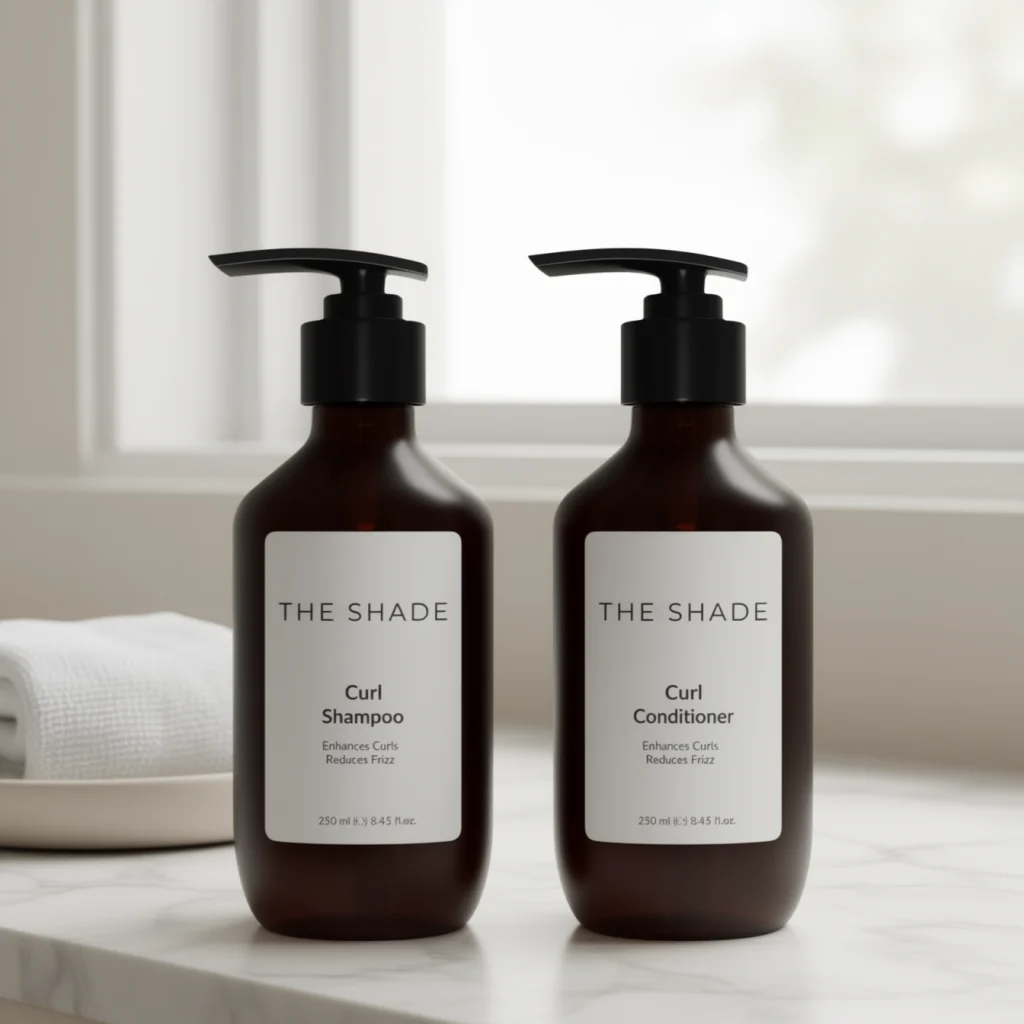
Choosing The Right Products For Your Hair
Choose plant-based products without unnecessary harsh ingredients or silicones and sulfates to avoid product build-up and to keep your hair and scalp at its best.
- Peppermint Shampoo and Conditioner – Best for oily roots or flakey or irritated scalp. Soothes and heals and itchy, oily scalp.
- Moisture Shampoo and Conditioner – Best for coloured or dry hair. Hydrates and softens hair.
- Blonde Shampoo and Conditioner – Best for reducing unwanted warmth in lighter colour levels. Violet tones counter-balance unwanted warmth.
- Volume Shampoo and Conditioner – Best for thin, flat hair. Add lift, movement and volume.
- Curl Shampoo and Conditioner – Best for curly girlies. Adds bounce, movement and softness to curls.
Apply Shampoo
To get the best lather and results from your shampoo, make sure you thoroughly wet your hair and scalp with water before adding shampoo.
Apply shampoo to your roots only and gently massage it through your scalp. Shampoo needs to be targeted on the scalp and roots, where the natural oils are, and not the lengths of your hair, which will be sufficiently cleaned as you rinse out your shampoo.
Massage all your scalp, from the back of your neck, around your ears, to the crown and frontline for around 60 seconds, massaging your scalp in circular motions from front to back, then side to side, paying special attention to the back of the head and nape of the neck. The focus here should be on the scalp — the rest of the hair will be cleaned as the suds run down the strands,
If you have applied any leave-in, overnight or oil treatment, shampoo twice to ensure all product is washed out of your hair.
Rinse Thoroughly
Tip your head back and let the shower do most of the work for you. Allow the water to rinse from your roots and flow down the length of your hair for a full 30 seconds.
Lift your hair in sections to ensure your scalp is rinsed thoroughly, then squeeze your hair and continue rinsing until your hair is completely clear of product.
Apply Conditioner
Conditioners smooth the cuticle of the hair, hydrate and soften the hair, making it softer and more manageable.
Conditioner should be applied to the mid-section and ends of the hair only. Applying conditioner to the scalp can lead to product build-up, an oily scalp and clogged pores. If your hair is thicker, apply it in sections and work it through the lengths of each section with your fingers.
Leave the conditioner in for at least 2 minutes, longer if you have particularly dry hair.
Final Rinse:
Lower the water temperature to rinse out your conditioner. Rinsing the conditioner out with cool water helps to close the cuticles, makes the hair a lot shinier, prevents moisture loss, minimizes frizz, and creates smoother strands.
Spend at least a minute rinsing out your conditioner. Run your hands through your hair up to your roots, gently massaging your scalp to ensure your final rinse removes all products and flakes. Failure to thoroughly rinse out conditioner can lead to an oily scalp, scalp irritation, or limp and lifeless hair.
Deep Treat In Necessary
If your hair is coloured, dry or processed, then you should incorporate regular deep conditioning treatments into your wash routine. Hair that’s been exposed to hot air drying, heat tools or chlorine or salt water can also benefit.
Repair Mask is a very effective, plant-based deep conditioning treatment which is ideal to restore moisture and conditioner to coloured, dry or fragile hair. Use weekly to boost hydration, resilience and to soften and strengthen your hair.
Tsubaki Oil treatments are also very beneficial for your hair.
Deep condition once a month for all hair types, or twice if your hair is colour-treated or chemically processed. Deep conditioners contain more potent ingredients, so they’re used less frequently.
For even more hydration, apply gentle heat while deep conditioning with a Thermal Cap. Heat opens the cuticle, helping the treatment penetrate and lock in moisture for softer, more manageable hair.
Handle Wet Hair With Care
Hair is at its most fragile when it is wet. It is thinner, stretched and weaker and can easily tear, snag and break so it needs to be handled with care.
To reduce friction and protect hair, pat it dry with a towel rather than rubbing
A soft Towel Scrunchie can contain your hair without breaking or creasing. It will absorb a lot of moisture and reduce drying time, and they are very easy to use.