
What is Porosity?
Porosity refers to hair’s ability to absorb moisture. The absorbency or porosity of your hair depends on the natural texture, colour history, styling, and degree of environmental exposure.
Hair which is naturally fine, thin or curly is likely to be porous. Over-processed or damaged hair is also much more likely to become porous.
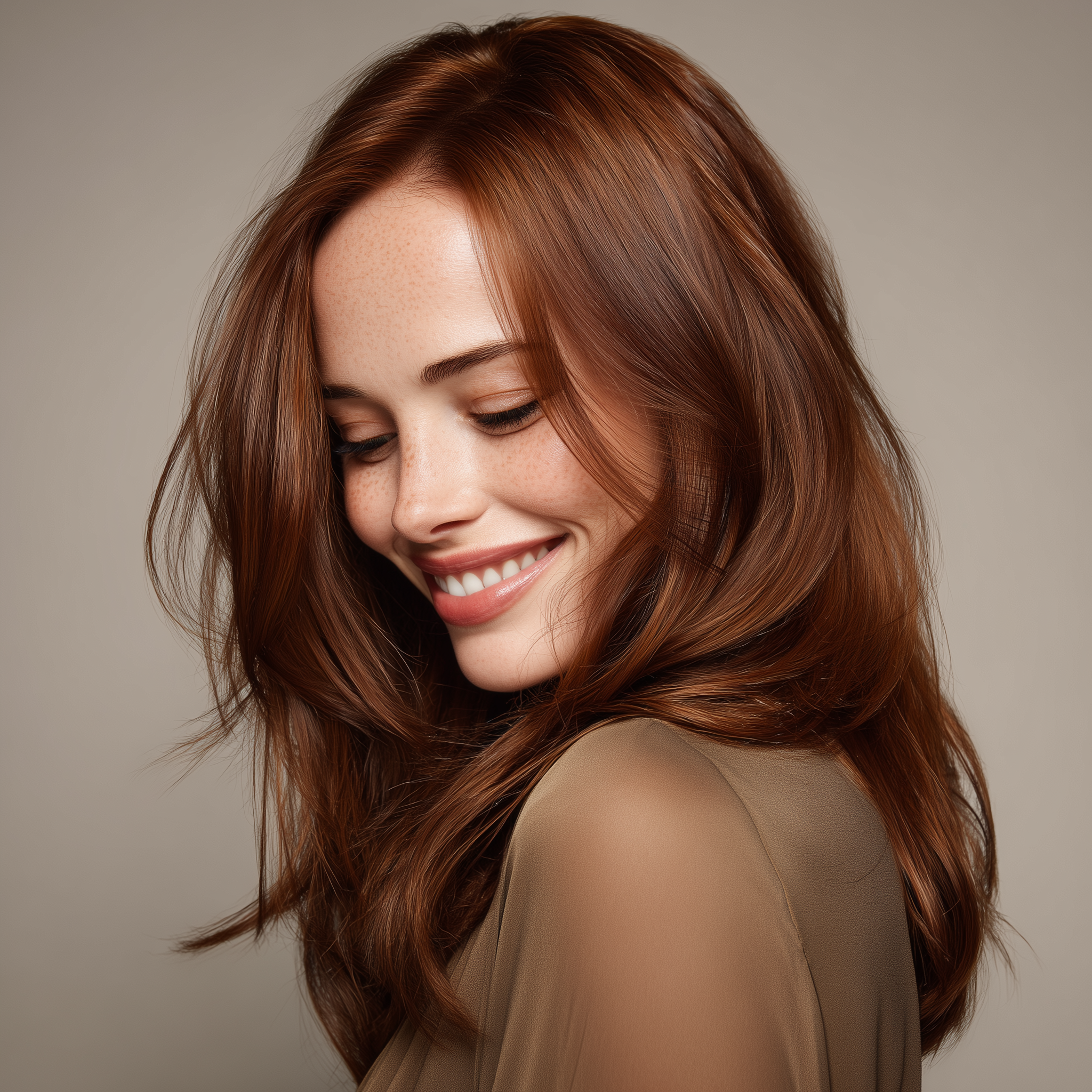
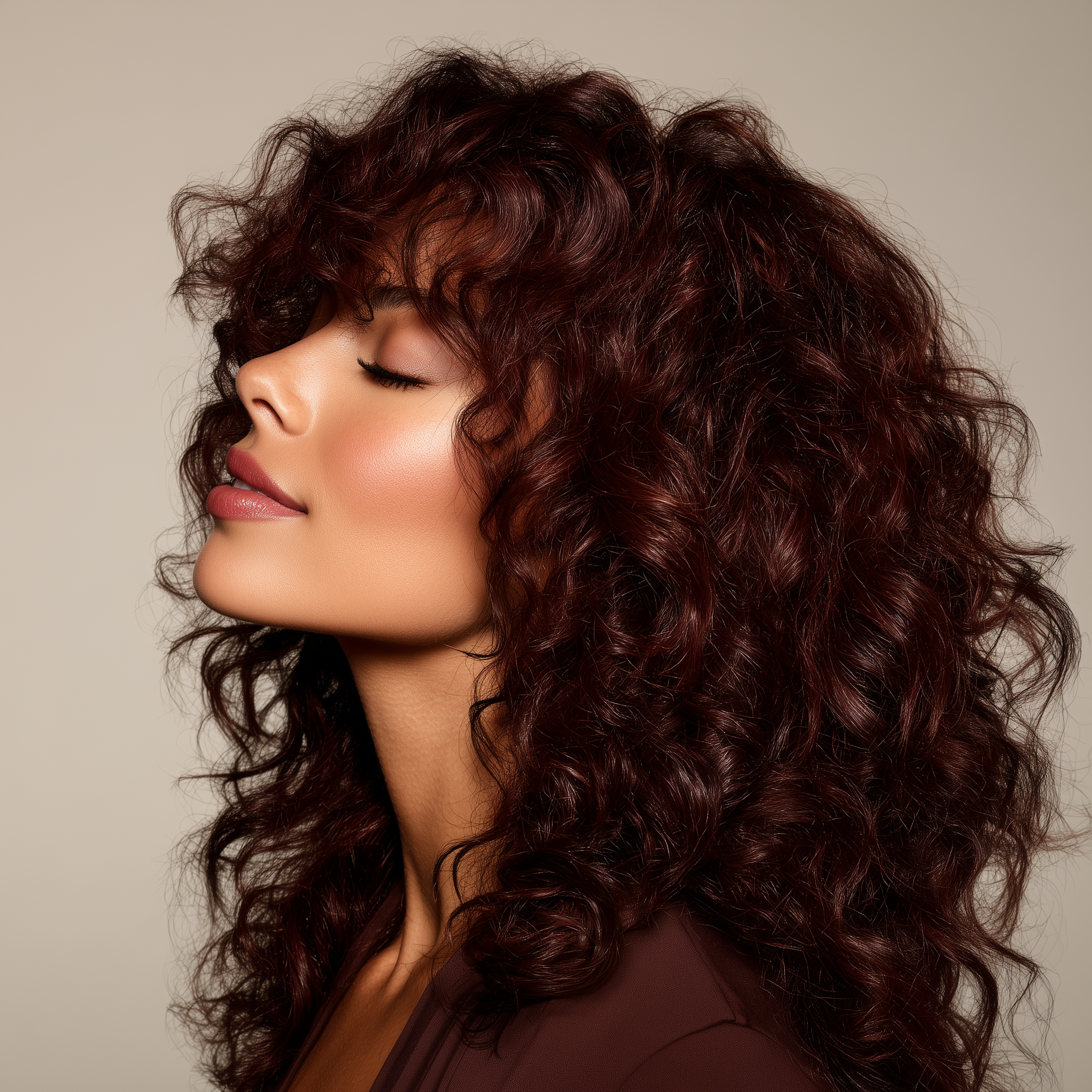
How Porosity Affects Hair Colour
When the cuticle (outer layer of the hair) is damaged it will loosen and lift, and any colour mixture which is applied to the hair will penetrate too easily and be over-absorbed. This can lead to darker, duller colour outcomes.
Increased hair porosity can also lead to rapid colour fade, as the raised hair cuticles can leak colour pigment molecules.
Porosity creates ‘gaps’ in the cuticle of the hair, and these gaps can fill by over-absorbing colour, or the colour from the gaps in the hair.
Porous hair may also look puffy, frizzy, and suffer from split ends.
- Over Absorption Of Colour Hair which is porous can over-absorb colour, leading to darker colour outcomes.
- Fast Fading Colour Porous hair cannot retain colour effectively, which can result in rapid colour fade. The raised cuticle on the outer layer of the hair allows colour pigments to leak, leading to fading colour results.
Natural Porosity
Hair can naturally be porous, and this is more often seen in hair which is either very fine and thin, or in curly, textured hair. These hair textures tend to have a thinner outer cuticle layer, and it is this thin cuticle layer which can lead to over-absorption of colour, or colour leakage and rapid colour fade.
How to manage highly porous hair
You can take some simple but effective steps to reduce further damage to your hair and to repair damaged and porous hair.
If your hair is porous then it can be helpful to add protein to your hair using our Rebuild Protein Treatment. Protein will fill gaps in your hair, reduce porosity and increase the strength, resilience, integrity and performance of your hair.
It can also be helpful to hydrate and overall improve the condition of your hair. Our Repair Mask will deeply nourish and hydrate dry, dull and damaged hair, and leave your hair instantly softer and smoother.
Avoid Over-Processing Porous Hair
It is important to avoid over-processing porous hair. Avoid heated styling tools, lightening and chemical straightening processes and shampoo, conditioner, styling and care products which contain ingredients which will further weaken and damage your hair.
Careful product selection and a simpler, more minimal care and styling routine which leans into your natural texture and colour range is best for porous hair. Porous hair will require more TLC. Adding protein will strengthen your hair, promote elasticity and support healthier hair which functions and performs better.
Talk to our colourists for personalised advice on colouring techniques which work best with porous hair.
It has been over 3 weeks since I first colored my hair using The Shade. The color has started vibrant and fresh, and the condition of my hair has stayed shiny and healthy, which is different to the supermarket dyes that I have been using for years. Really happy with the result so far. I also love the convenience of having regular deliveries so I don’t need to remember to purchase each month!!
N.
Gorgeous colour! I got individual help with my colour choice as my hair is damaged and the colourist helped me with a colour choice which really works for me to correct colour I didn’t like and also she gave me great advice to help with my hair health and condition (which is part of my colour problem). Very happy.
Amaya D.
The oil has done wonders for my hair!
K. Graf-Cameron
I love Tsubaki oil for my hair and face. It’s going to replace my La Mer cream.
K. Jones